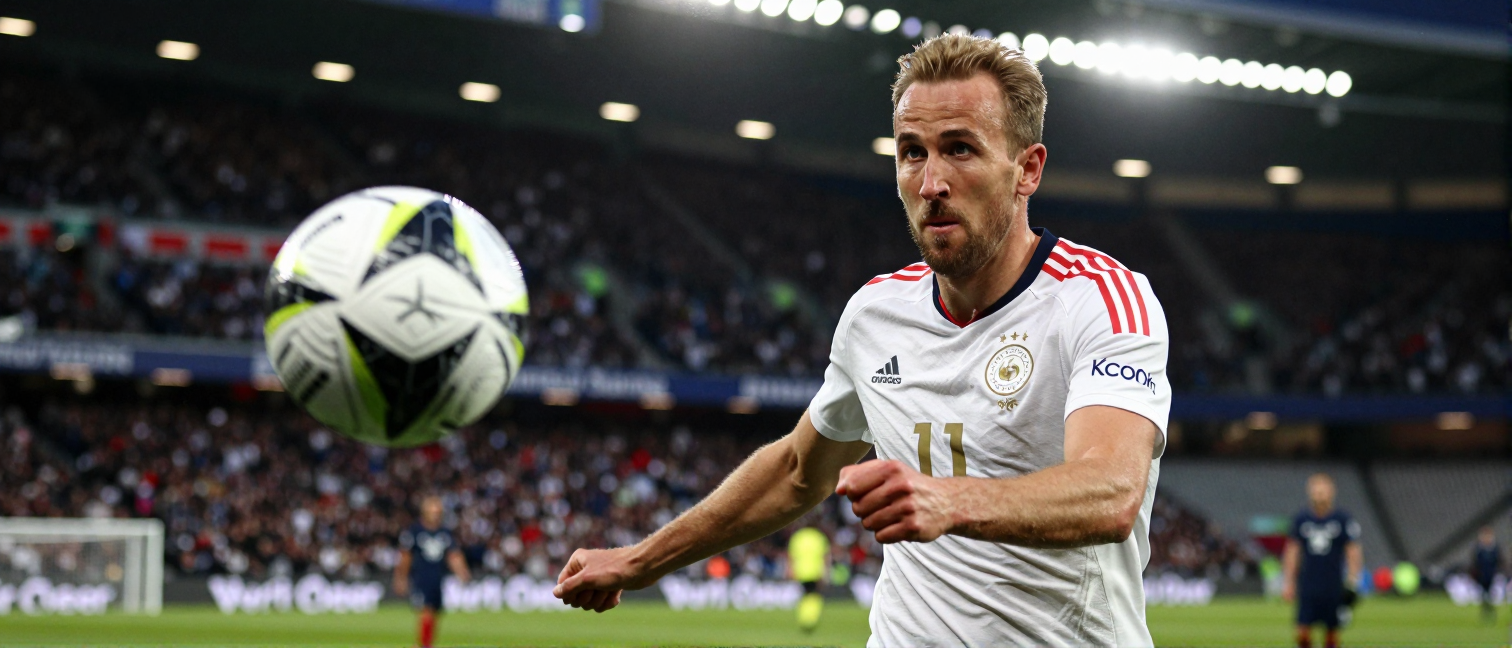
Harry Kane became England's all‑time leading scorer on 12 July 2026, surpassing Wayne Rooney with his 57th senior goal in a Euro 2028 qualifier against Switzerland. The milestone fuels a fresh debate over whether he can be crowned the greatest English player ever.
How did Kane reach the record?
Kane opened the scoring in the 23rd minute, a low‑drive that slipped past Yann Sommer. The goal marked his 57th for the national side, edging past Rooney’s 56‑goal tally set in 2018. Since debuting in 2015, Kane has averaged a goal every 84 minutes in competitive matches, a rate that eclipses the likes of Bobby Charlton and Gary Lineker. His consistency in qualifiers and Nations League fixtures has turned the record into a realistic target early in his career.
Who are the other contenders?
England’s history is littered with prolific forwards. Charlton netted 49 goals in 106 caps, while Lineker scored 48 in 80 appearances. More recent names like Marcus Rashford (31) and Jadon Sancho (19) sit far behind. Even legendary midfielder Paul Scholes, who never topped the chart, contributed 24 goals. The list shows that Kane’s achievement isn’t just about longevity; it reflects a sustained strike rate that outpaces his peers.
Why does the record matter for England?
A record‑breaking striker often becomes the focal point of a national side’s identity. Kane’s presence gives England a reliable goal outlet, allowing manager Gareth Southgate to build tactics around his movement and hold‑up play. The confidence that comes from having a proven finisher can lift the entire squad, especially in tight knockout games where a single goal decides fate. Moreover, the record adds pressure – opponents now study his habits more closely, and younger forwards will measure themselves against his benchmark.
What could challenge Kane’s claim as the best?
Critics point to the lack of major tournament trophies. While Kane has shone in qualifiers, England fell short in the 2022 World Cup semi‑final and the 2024 Euro final. Comparisons with Sir Bobby Charlton, who lifted the 1966 World Cup, remain common. Additionally, some argue that a player’s influence off the ball – leadership, versatility, and moments of brilliance – should weigh alongside raw numbers. Kane’s recent injury lay‑off in March 2026 also raises questions about durability.
What’s next for the record‑breaker?
Kane now faces a new set of fixtures: a friendly against the United States on 20 July and the final Euro 2028 qualifying round in September. If he adds another five goals, he’ll reach 62, a figure that would make any future England striker think twice before challenging his throne. The next generation, led by the likes of Jude Bellingham and Phil Foden, will have to adapt their play to support Kane’s finishing if they hope to keep England’s attack potent.
How will fans remember this achievement?
Supporters across the country have already started chanting “Kane 57” at pubs and on social media. The record gives a tangible milestone for a player who has often been judged by his club form at Tottenham Hotspur and later at Bayern Munich. Whether the debate settles on his goal tally or his overall impact, Kane’s name now sits permanently in the annals of English football.