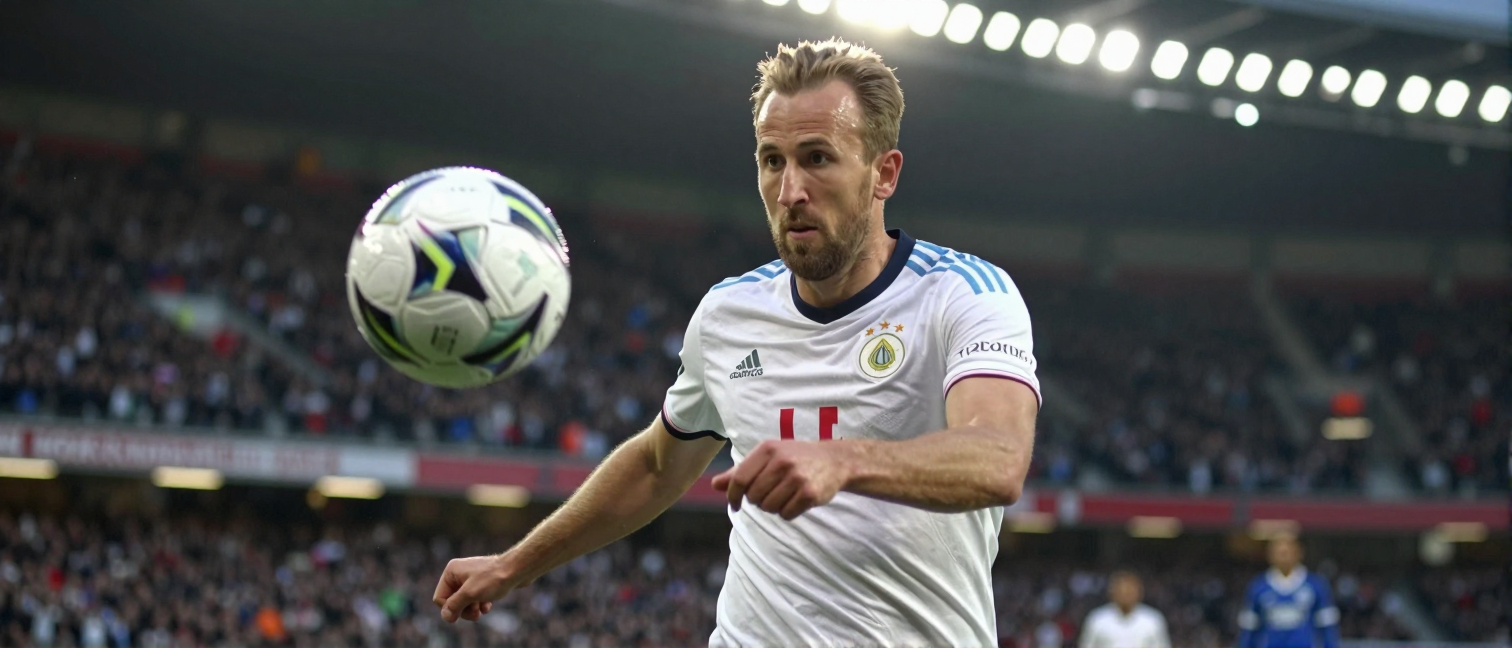
Harry Kane led England’s attack against Norway on Saturday, 13 July 2026, in a World Cup quarter‑final that pitted the English captain directly against Erling Haaland. The match ended 2‑1 to England, with Kane scoring the winner in the 78th minute, reigniting the debate over which No 9 reigns supreme.
How did the match unfold?
England opened the scoring early, but Norway equalised before halftime through a swift counter‑attack. In the second half, Kane slipped into the box and headed home from a corner, giving his side the lead. Haaland threatened repeatedly, yet the English defence held firm, and the final whistle confirmed a 2‑1 victory for England.
What does the comparison reveal about their styles?
Kane operates as a roaming forward, often dropping deep to link play and create chances for teammates. His ability to strike with either foot, score from distance, and win aerial duels makes him a versatile threat. Haaland, by contrast, thrives on limited touches inside the box, using his height and explosive speed to dominate in the air and finish with clinical precision.
Why does the debate matter for Kane’s legacy?
The head‑to‑head provides a rare metric for evaluating two of the modern game’s elite strikers. Kane’s performance against a world‑class defender like Haaland showcases his adaptability and leadership under pressure. A win in a high‑stakes knockout game adds weight to his claim as England’s all‑time leading scorer and bolsters his case for the title of world’s best No 9.
What’s next for Harry Kane?
England now prepares for a semi‑final against the winner of the Brazil‑France tie, scheduled for 17 July 2026. Kane will likely continue his dual role as scorer and playmaker, a balance that has defined his career at Tottenham Hotspur and now at the national level. His next test will be whether he can replicate this decisive impact against a potentially stronger opponent.
How does Haaland’s performance stack up?
Despite the loss, Haaland demonstrated why he’s considered the premier finisher in Europe. He recorded three shots on target, two of which forced saves from England’s goalkeeper. His sprint speed, logged at 22.9 mph during a Champions League match in 2025, remains unmatched in the Premier League, underscoring his physical edge.
What does this mean for the striker rivalry?
The encounter adds a new chapter to the ongoing narrative. Kane’s ability to influence the game beyond pure finishing contrasts with Haaland’s pure goal‑scoring instinct. Fans and analysts will likely reference this match when debating future awards such as the Ballon d’Or or the FIFA World Player of the Year.
How will this affect England’s World Cup hopes?
With Kane back in form and leading by example, England’s attack looks more balanced than ever. The midfield, anchored by Jude Bellingham and Declan Rice, will aim to supply Kane with the service he needs to keep the pressure on opponents. If the team can replicate this performance, a place in the final appears within reach.